
Deer Camp Ready: Prepping Your Wheelhouse for Opening Day
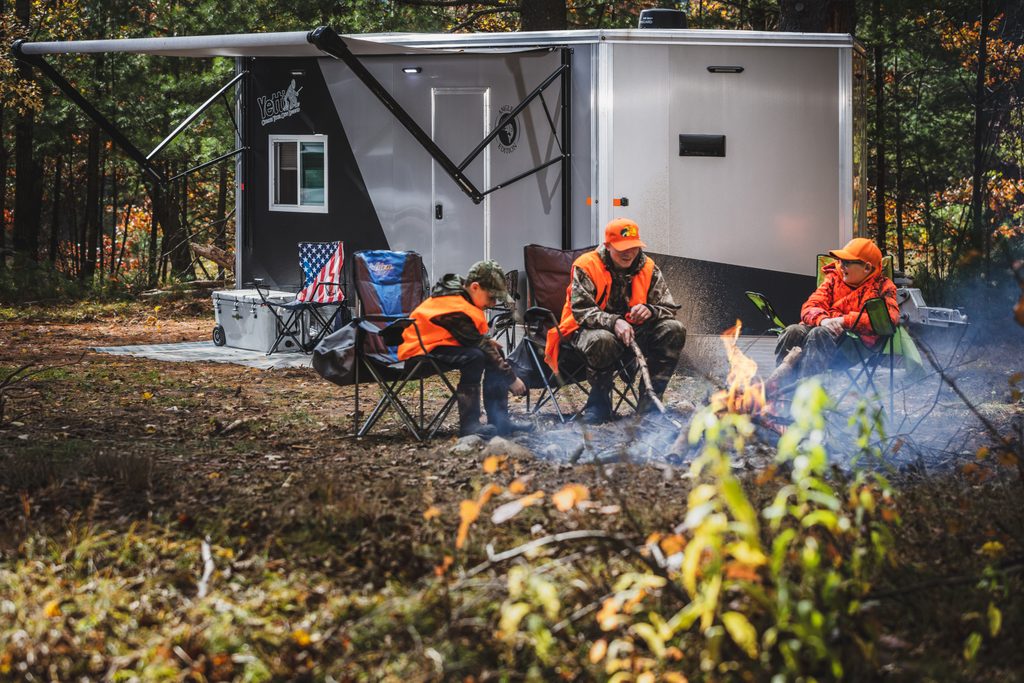
The leaves are turning, the stands are hung, and opening day is closing in fast. Before the trucks are loaded and the gear starts piling in, your wheelhouse needs its own pre-season prep. A unit that has been sitting since ice-out does not just roll straight into deer camp duty; a few key checks now can save you a cold, frustrating start to the season.
For owners of an all-season wheelhouse, deer camp is just the first of two demanding seasons this same unit will see. It goes from long stretches parked at a remote hunting site in October and November, straight into hardwater duty on the ice by December or January. That kind of year-round use is exactly why these units are built the way they are, but it also means pre-season maintenance is not optional. It is what keeps a wheelhouse performing reliably through both seasons instead of breaking down halfway through one of them.
Camp season asks a lot of your wheelhouse: long stretches parked in one spot, heavy foot traffic, early mornings and late nights running the heater, and gear that piles up fast. Getting ahead of it before opening day means you spend the season hunting, not troubleshooting.
Why Pre-Season Prep Matters for an All-Season Wheelhouse
A wheelhouse that has been in storage since spring has had months to collect dust and let small maintenance issues go unnoticed. Add in the fact that deer camp often means towing over rough back roads, parking in remote spots, and relying on the unit as a warm base camp for days at a time, and it is clear why a proper pre-season check matters more than a quick once-over.
Unlike a single-purpose camper, a wheelhouse is asked to perform across two of the harshest use cases in the outdoors industry: extended stationary use during hunting season, and mobile on-ice use during hardwater season. That dual demand is a big part of what separates a true all-season wheelhouse from a basic travel trailer with a heater bolted in. Skipping pre-season maintenance does not just risk a tough deer camp; it can set you up for bigger problems once the same unit is out on the ice a few months later.
Step 1: Pull It Out and Do a Full Walkaround
Before anything else, get the unit out of storage and give it a complete inspection, inside and out.
- Check the exterior for storage damage or pest entry points
- Look over the roof for debris or seal separation
- Inspect the frame and skirting. The aluminum frame will stay rust- and corrosion-free!
- Check all doors and windows for drafts
- Open everything up and air the interior out after months of being closed
Catching an issue here, before it’s -10°F and dark at camp, is a lot easier than dealing with it in the field. A thorough walkaround now also sets a baseline. The same components you check before deer season are the ones that take the most abuse once winter ice fishing season arrives, so it pays to know their condition going in.
Step 2: Deep Clean the Interior
Storage tends to leave things dusty and stale. Before gear starts loading in, give the interior a real cleaning.
- Wipe down all surfaces and cabinets
- Check for any signs of moisture or pest activity from the off-season
- Clean and inspect bedding and cushions
- Sweep and mop flooring, checking for damage as you go
- Clean out any vents or filters that collected dust while parked
A clean start means less to deal with once the gear, boots, and blaze orange start taking over.
Step 3: Inspect the Towing Systems
This step matters just as much before deer camp as it does before ice season, you are about to put real miles on this unit over rough terrain.
- Check tire pressure and tread wear; deer camp roads are rarely smooth
- Grease your wheel bearings and any hydraulic lift components before they see heavy use
- Inspect the hitch, safety chains, and wiring harness for wear or corrosion
- Cycle any hydraulic lift systems through a full test before loading up
A trailer issue discovered in the driveway is an inconvenience. The same issue discovered on a remote camp road is a real problem.
Step 4: Test the Heating System
Early morning sits and long days in the stand means you will be relying on your heater to keep camp comfortable, especially during those first cold mornings and late-night returns.
- Test the furnace fully before departure, not on the first cold night at camp
- Inspect propane lines and connections for wear
- Replace batteries in your CO detector and confirm it is functioning; this is essential any time you are running a heater in an enclosed space
- Clear and dust or debris from vents after months of sitting unused
Step 5: Check Water, Power, and Electronics
- Test interior and exterior lighting before you are setting up camp in the dark
- Charge or check batteries for any onboard electronics
- If your unit has a water system, run it through and check for damage from the off-season
- Inspect any solar setup or charging system to confirm it is operating properly
Step 6: Stock and Organize for Camp Season
Deer camp gear is different from ice season gear, and this is the time to make the swap.
Load in blaze orange, scent control, field gear, coolers, game processing supplies, extra layers, cold weather gear for early morning sits, first aid kit, flashlights, and a basic tool kit.
Clear out ice augers, tip-ups, hardwater tackle, and ice safety gear that will not be needed until the lake freezes back up.
Doing a full swap rather than just adding camp gear on top of ice gear keeps the unit organized and keeps you from hauling dead weight you do not need.
Ready for Opening Morning
A wheelhouse that has been properly prepped before deer camp means fewer surprises once you are parked and settled in for the season. Take the time now, before the first cold morning, so camp season is about the hunt, not troubleshooting your setup.
Questions about getting your wheelhouse ready for deer camp? We are here to help you head out prepared.